The plan
What I am aiming for with this blog
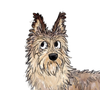
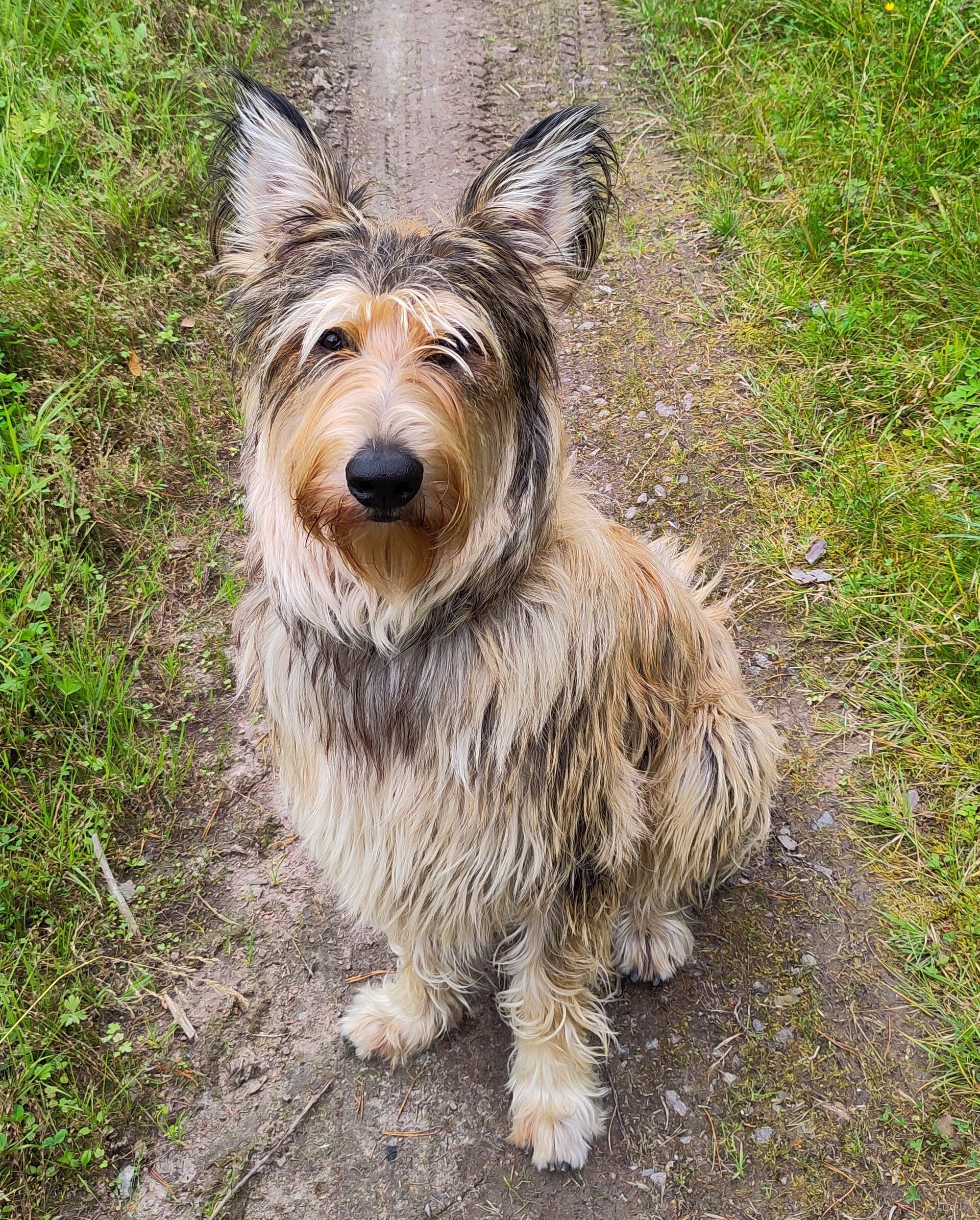
My goal for the rest of the year is to somehow write, or at least start writing, a comprehensive guide to dog training in loads and loads of small bits. Bits that are easy – and maybe even fun - to read, watch and try with your own dog at home. Right now I have a one year old Berger Picard and in true Picardy fashion he makes me come up with new techniques and exercises that hopefully will result in a happy dog and a harmonic relationship.
There are many factors that will either let you succeed or fail miserably in training. Most of them are big topics and they are pretty much all interconnected. But I will try to split them up. Most of the time it’s the tiny things that make an enormous difference. That goes not only for competition level training, but also for all the stuff that goes wrong – or right – in everyday life.
So I will try to break everything down in handy pieces in the HOW-part and give you the background information you need in the WHY-part. Not everything will be relevant to you and your dog and not everything will make sense right from the start. Sooner or later the bits and pieces will connect to a bigger picture, I promise.
Some of the big topics in dog training are:
- Choice
- Stress
- Surroundings
- Confidence
- Rewards and reinforcement
- Self-control
- Distractions
- Relationship
Which one of these do you think is most important for you and your dog? Leave a comment!
An example from yesterday’s training session
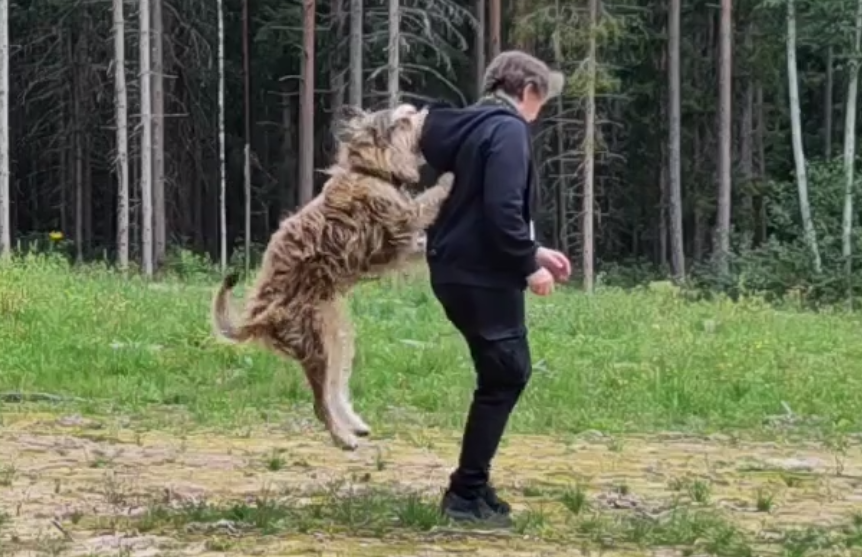
Some owners tell me that they don’t like to use play as a reward, because their dog gets stressed when playing and it’s hard to stay on top of the game. I totally get that, just look at the video. Snibril is one year old and has his work cut out to not just jump me and get his toy. He’s also quite rowdy with his toy and then just runs off with it. It would have been very easy for me to just not use the toy as a reward in this session. But playing is such an important tool in training and can be used in a different way to treats so I need to make playing work. There are rules to playing and even if he forgets some of those in the video, he soon remembers them and calms down.
But how we can explain these rules without using positive punishment (using force, telling the dog off or yelling)? The big topic in this case is self-control, which you can split up in lots of tiny snippets. To be able to play you might want to teach, for example, “don’t freak out completely with your toy”, “hold the correct part of the toy”, “don’t run away with your toy”, “hand your toy back to me”, “wait until it’s ok to take the toy” or even just “be careful”. There are also lots of other things the dog already should know if you want to teach one the examples. On top of that you have to factor in stress or arousal levels, which is another really big topic.
There are also lots of dog owners, who tell me their dog doesn’t like to play at all. That’s not only a tool missing in the training tool box, but they miss out on lots of fun. Having fun together is an integral part of any relationship. So again, we should try to make playing work.
So in the coming weeks I will try to explain how to teach some of these things. But I will also put out other bits and pieces that Snibril is training, like grooming, some tricks, some competition exercises or what we do to boost his confidence.